.svg)





 Affordable Financing
 Below Ground Range Colours
 Fibreglass Pool Install Stages
Table of Contents
- Laying the Foundation - Initial Installation Costs
- Pool Lifespan and Costs - How Long Does Each Pool Really Last?
- Long-Term Maintenance: The True Cost of Pool Ownership
- Hidden Costs of Concrete Pools: What’s Beneath the Surface
- Are Fibreglass Pools Cheaper Than Concrete? The Verdict
- Which Is the Best Value Swimming Pool at the Moment?
- Pool Installation Cost vs Maintenance Cost: What Should You Prioritise?
Laying The Foundation - Initial Installation Costs
Fibreglass Pools: Quick, Straightforward, and Budget-Friendly
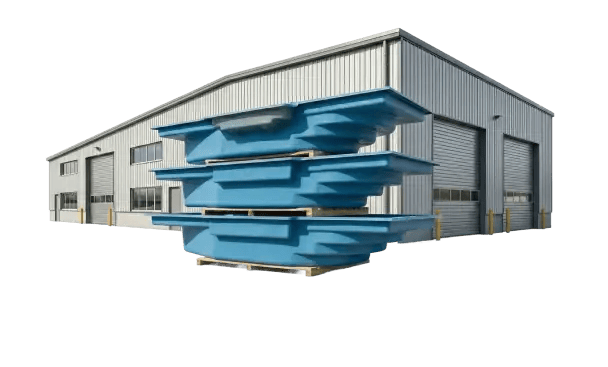
One of the biggest drawcards of fibreglass pools? They rock up at your place as a single, pre-formed shell. No faffing about with months of backyard construction. This makes installation fast (often wrapped up within a week) and keeps things super predictable, with fewer trades on-site and far less chance of nasty surprises blowing out your budget.
Typical full service, full price fibreglass pool installation costs in Australia:
- Small (around 4.5m): $35,000 to $50,000 fully installed, including basic fencing and paving
- Medium (around 7m): $45,000 to $60,000, depending on site access and soil conditions
- Large (around 10m): $60,000 to $85,000+, especially finished with exposed aggregate concrete surrounds
Concrete Pools: Custom Comes at a Cost
Concrete pools are like the bespoke suits of the swimming pool world, tailored exactly to your specs, whether it’s a one-of-a-kind shape, extra-deep end, or high-end finish like mosaic tiles or Pebblecrete. You’ve got full creative freedom, but that flexibility comes with a hefty price tag.
Typical installation costs in Australia:
- Small (basic design around 4.5m): Starting from $55,000
- Medium (basis design around 7m): $75,000+
- Custom or luxury builds: Easily $100,000+, especially with complex designs or high-end finishes.
Vinyl Liner Pools: Cheap Start, But What’s the Real Cost?
Vinyl liner pools are a tempting option if you’re watching the budget. They offer one of the lowest entry points into pool ownership and are quick to install. Perfect if you need a flexible shape or size and don’t want to spend big upfront.
Typical installation costs in Australia:
- Small (around 4.5m): $15,000 to $20,000
- Medium (around 7m): $25,000 to $35,000
But here’s the catch: vinyl liners aren’t built to last forever. Most need replacing every 5 to 10 years, and each replacement can set you back between $3,000 and $6,000. Plus, liners are more prone to punctures and tears, whether it’s from pets, kids, or even rough pool cleaning, which means you’re likely to face more ongoing repairs compared to fibreglass or concrete. Each repair is noticeable, so over time your pool can look a little like a spotted dog if you have 10+ patched repairs.
So, while vinyl liner pools look like a budget-friendly choice at first glance, the long-term maintenance and replacement costs can quickly add up, eating into those initial savings.
Pool Lifespan and Costs - How Long Does Each Pool Really Last?
Fibreglass Pools: Tough, Reliable, and Low-Maintenance
A well-made fibreglass pool is built for the long haul. Top-quality models often come with structural warranties of up to 35 years, and with the right care, it’s not uncommon for them to last over 35 years without needing any major repairs. The smooth, non-porous gelcoat surface is a standout feature - it resists algae, staining, and general wear-and-tear far better than concrete or vinyl, meaning less time (and money) spent on maintenance.
Quick fact: Fibreglass pools offer the best lifespan-to-cost ratio of any pool type on the market, making them a smart, long-term investment for Aussie homeowners.
Concrete Pools: Timeless but High-Maintenance
There’s no doubt that concrete pools are built to stand the test of time; many last 30 years or more. But that longevity comes with a catch. To keep them in top shape, you’ll need to resurface the interior every 10 to 15 years, which can cost anywhere from $6,000 to $15,000 a pop. Plus, the porous nature of concrete means you’ll be battling algae and staining more often, requiring regular brushing and higher doses of chemicals, pushing up your ongoing maintenance costs year after year.
Concrete pool structural warranties are also on the short side - on average, only 6-8 years for structural defects. Given the high upfront cost of installation, if your pool develops a crack after 9 years, you will have to foot the bill, and that is never cheap.
Vinyl Liner Pools: Affordable but Short-Lived
Vinyl liner pools can give you 20 to 30 years of use, but they come with a built-in drawback: the liner. Expect to replace it every 5 to 10 years, which means if you’re staying put for 15+ years, you’re likely looking at two (or more) liner replacements over that time. Each swap typically costs between $3,000 and $6,000, adding an extra $6,000 to $12,000 to your overall pool spend and that’s not including any unexpected repairs if the liner gets punctured along the way.
Long-Term Maintenance: The True Cost of Pool Ownership
Fibreglass Pool Maintenance Cost
- Chemical balance: Minimal effort required, thanks to the smooth, non-porous surface that naturally resists algae and biofilm build-up
- Energy savings: Excellent, as fibreglass acts as a natural insulator, helping to retain heat and reduce heater runtime
- Annual maintenance cost: Typically between $500 and $800, covering basic chemicals, routine cleaning, and equipment upkeep.
 X
X Facebook
 LinkedIn
 Mail
MailConcrete Pool Maintenance Over Time
- Chemical balance: High-maintenance due to the concrete’s porous surface, requires frequent acid dosing and vigilant pH balancing to keep algae and staining at bay
- Energy efficiency: Lower as concrete absorbs heat, meaning your pool loses warmth faster and costs more to keep heated
- Annual maintenance cost: Typically ranges from $1,200 to $2,000, factoring in extra chemicals, regular brushing, and higher equipment usage.
Heads Up: Concrete pools are prone to algae blooms, especially black spot algae, which can be notoriously stubborn and expensive to treat.
Vinyl Liner Pools: The In-Between Option
- Chemical balance: Moderate - Liners are smoother than concrete, reducing algae growth, but still need regular chemical care to avoid staining and bacteria build-up
- Energy savings: Lower as vinyl liners don’t insulate well, and wrinkles or folds can trap cold spots, making it harder (and costlier) to maintain water temperature
- Annual maintenance cost: Usually between $800 and $1,200, including chemicals and routine upkeep.
Heads-up: Vinyl liners are vulnerable to tears and punctures, whether from pets’ claws, pool toys, or even sharp cleaning tools, so factor in the risk of occasional patch jobs or premature liner replacement.

Hidden Costs of Concrete Pools: What’s Beneath the Surface
A concrete pool can be the ultimate backyard showpiece, but there’s more to the story, and it’s hiding beneath the surface. Beyond the initial price tag, concrete pools come with ongoing costs that can really add up over time.
- Resurfacing: Required every 10–15 years, costing anywhere from $6,000 to $15,000 per resurfacing
- Cracking repairs: Can range from $2,000 to $10,000+, depending on severity and location
- Energy use: Concrete pools have up to 30% higher energy costs than fibreglass pools, thanks to poor heat retention requiring longer heating times.
That beautiful custom concrete pool? It could be an unwelcome drain on your wallet, especially over 20+ years of ownership.
Are Fibreglass Pools Cheaper Than Concrete? The Verdict
In a word: yes - both upfront and if you’re thinking long-term.
While concrete pools win points for custom shapes and bespoke designs, fibreglass pools come out ahead when you consider the total cost of ownership. Between faster installation, cheaper installation cost, lower maintenance costs, better energy efficiency, and minimal resurfacing or repair needs, fibreglass pools deliver better value over the lifespan of the pool.
Even though a fibreglass pool costs more upfront than a vinyl liner, it quickly pays for itself with lower annual maintenance costs, reduced chemical use, and a lifespan of 35+ years with minimal intervention.

Rohan’s Expert Tips
For the best return on investment, choose a high-quality fibreglass pool shell - look for flat walls (no so-called “safety ledges”), deep reinforced construction, and a structural warranty of 35 years or more. These details ensure durability, easier cleaning, and more swim space, maximising both enjoyment and value.
Which Is the Best Value Swimming Pool at the Moment?
Looking for the best value swimming pool in 2026? Here’s how the main options stack up:
- Design flexibility: Concrete pools are unbeatable for custom shapes, finishes, and unique designs
- Budget-friendly start: Vinyl liner pools offer the lowest upfront price, ideal if you need a pool fast and cheap, though you’ll pay more in maintenance over time
- Best long-term value: Fibreglass pools win when you weigh up installation cost, maintenance savings, energy efficiency, and lifespan.
In 2026, fibreglass pools continue to offer the best value for Aussie homeowners seeking a balance of affordability, low maintenance, and long-term durability. With structural warranties up to 35 years and minimal upkeep costs, fibreglass pools deliver excellent return on investment without sacrificing style or quality.

Pool Installation Cost vs Maintenance Cost: What Should You Prioritise?
Here’s a key question: Are you focused on the upfront price or the full cost over time?
It’s easy to be drawn to the cheapest installation quote. But a pool that’s cheaper today can become a money pit tomorrow if you’re not factoring in ongoing maintenance, repairs, and lifespan. That’s why it’s essential to look at the total cost of pool ownership, not just the installation fee.
Rohan’s Expert Tip: Always ask suppliers to provide a detailed breakdown, including:
- Installation costs (what’s included and what’s extra)
- Estimated annual maintenance costs (chemicals, energy, cleaning)
- Expected lifespan and replacement schedules (when liners, surfaces, or equipment will need replacing).
This transparency upfront keeps your pool project stress-free and helps you avoid costly surprises down the track.
Make the Smart Splash
The swimming pool market is packed with shiny sales pitches, but now you’ve got the facts to see past the surface. When you weigh up installation cost, maintenance cost, lifespan, and long-term value, fibreglass pools stand out as the best value swimming pool in 2026 for Australian homeowners.
They’re not just quick and hassle-free to install. Fibreglass pools deliver decades of low-maintenance enjoyment, lower energy bills, and fewer repair headaches compared to concrete and vinyl liner pools.
So whether you’re planning family cannonball competitions or peaceful poolside lounging, remember: the pool you choose today will shape your backyard budget, maintenance workload, and enjoyment for years to come.
→ Want to explore your options? Discover the Perfect DIY Pool for Your Backyard.

