.svg)





 Affordable Financing
 Below Ground Range Colours
 Fibreglass Pool Install Stages
Fibreglass pools can crack, fade or leak.
Let's not pretend otherwise.
But here's the part most brochures skip is those problems don't just appear out of nowhere. They show up when manufacturing standards are poor, installation gets rushed, or water chemistry is ignored for months on end.
Concrete pools crack, too. Vinyl liners wrinkle and tear. No pool is maintenance-free. The difference with fibreglass pools is this:
When they're built properly and installed correctly, they're one of the most reliable, low-maintenance pool options you can put in an Australian backyard.
So instead of sweeping issues under the rug, let's unpack what actually causes cracking, fading and leaks in fibreglass pools and how to avoid them from day one.
What Makes Fibreglass Pools Different (and Why It Matters)
Before we get into problems, we need to talk structure.
Because structure is everything.
The Basics
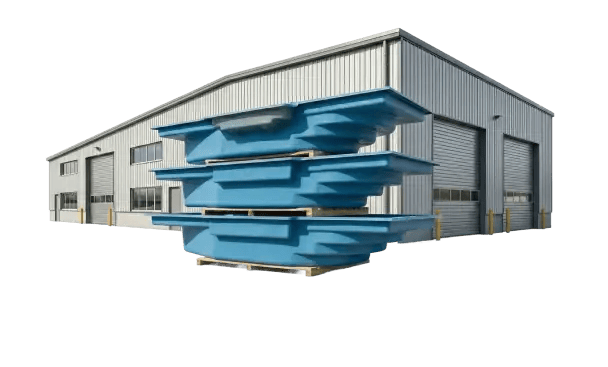
Fibreglass swimming pools are manufactured as single-piece shells in controlled factory environments. That matters more than most people realise.
Unlike concrete pools, which are formed entirely on site, a fibreglass pool arrives pre-moulded, pre-cured and structurally unified. Fewer variables. Fewer surprises.
One of the biggest advantages is the non-porous gelcoat surface.
Algae doesn't easily grab onto it. Chemicals aren't absorbed into it. Cleaning is easier. Think non-stick cookware versus stainless steel. Both cook dinner. One just saves you the scrubbing later.
There are no liners to replace. No internal tiles to pop off. No resurfacing cycle every decade.
When a shell is manufactured to recognised standards (such as AS 1838 design and fabrication guidelines) and installed correctly, fibreglass pools are structurally stable and designed to last decades in Australian conditions.
Done right? They're incredibly durable.
Compared to Concrete and Vinyl Pools
Concrete pools win on design flexibility. No question.
But they're porous. That means more chemicals, more brushing, and resurfacing roughly every 10-15 years.
Vinyl liner pools are often cheaper upfront. The catch? Liners usually need replacing every 7-10 years.
Fibreglass pools sit in the middle.
Faster installation than concrete. Less routine maintenance. No liner replacement cycle.
That balance of durability, speed and lower long-term upkeep is why fibreglass pools have become so popular across Australia.

Common Fibreglass Pool Problems (and What Actually Causes Them)
Fibreglass pools are tough.
But like any engineered structure, if corners are cut, things can go sideways.
Let's walk through what that really looks like.
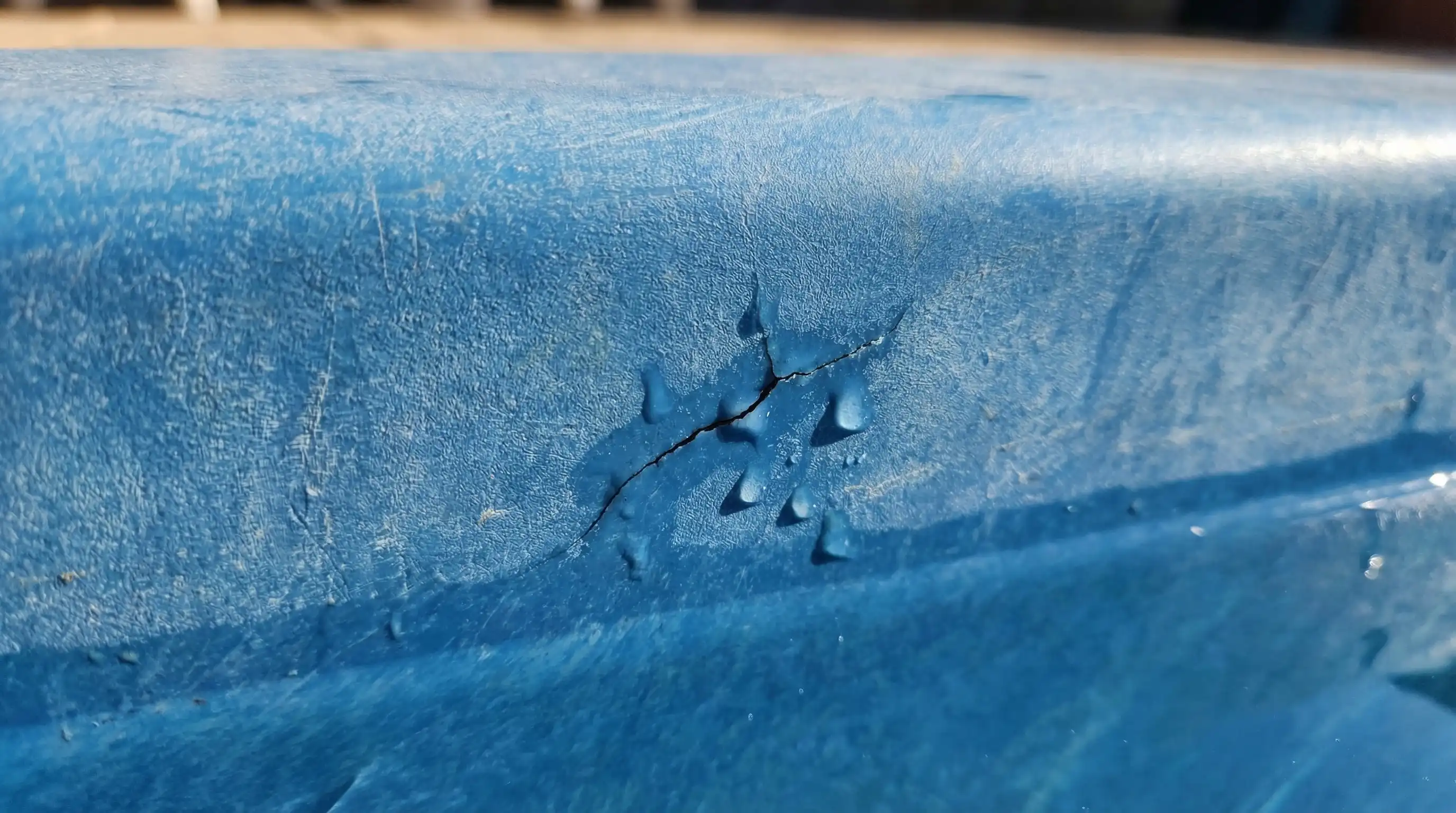
1. Spider Cracks in the Gelcoat
Spider cracks are fine hairline cracks in the gelcoat surface.
They look scary. Most aren't.
What causes them?
- Thin or inconsistent gelcoat application
- Surface stress during installation
- Uneven shell support
- Major ground movement
Here's the important distinction.
A gelcoat crack is not the same as a structural crack.
Gelcoat cracks affect the cosmetic surface. Structural cracks extend into the laminate beneath it. Two very different conversations.
Is it serious?
In most cases, no.
Spider cracks are usually cosmetic. Annoying? Maybe. Structurally dangerous? Rarely.
How to reduce the risk
- Choose a well-manufactured shell
- Ensure even base preparation
- Backfill in controlled layers
- Don't rush installation
When support is even and the shell is built properly, spider cracking risk stays low.
2. Wall Bulging (Inward or Outward Movement)
This is where installation discipline matters.
Fibreglass pools rely on pressure balance between the water inside and the backfill outside.
Disrupt that balance, and movement can happen.
What causes wall movement?
Inward bulging
Usually, too much or aggressively compacted backfill is placed before the water level has risen evenly.
Outward bulging
Usually, insufficient or poorly compacted backfill allows internal water pressure to push outward.
Correctly engineered and correctly installed fibreglass pools do not bulge.
If they do, something in the process wasn't right.
Is it serious?
Yes. Wall movement is structural.
The good news? It's preventable.
We once saw a job where the installer filled the pool to the brim before properly staging the backfill. The shell wasn't the problem. The sequence was. That imbalance created stress that didn't need to happen.
Installation isn't the time to "she'll be right."
Prevention
- Stable, level base
- Backfill and fill simultaneously
- Controlled compaction
- Follow a documented process
Take your time here. This step determines everything that follows.
(If you're exploring DIY fibreglass pool kits, make sure you understand the full installation sequence before starting.)
3. Surface (Gelcoat) Fading
Let's talk about colour.
Over time, fibreglass pool surfaces can fade slightly.
That's a finish issue, not a structural one.
What causes fading?
- Sustained high chlorine levels
- Poorly managed water chemistry
- Lower-grade gelcoat
Australia's sun is no joke. Gelcoat quality matters.
Is it serious?
Structurally? No.
Aesthetically? It can be disappointing.
The key thing to understand is that colour fading can't simply be reversed. Prevention is easier than correction.
Prevention
- Choose UV-stable gelcoat
- Maintain balanced water chemistry
- Avoid running chlorine high for extended periods
- Clean the waterline regularly
Small chemistry habits make a big difference over years.
4. Blistering (Osmotic Blistering)
Blistering sounds dramatic.
In modern, well-manufactured fibreglass pools, it's uncommon.
What causes it?
Blistering happens when moisture migrates through the gelcoat or the laminate layers and is trapped under the gelcoat. It looks like your pool has a bad case of pimples.
Risk increases when:
- Inferior resin systems are used
- There's no vinyl ester barrier layer
- Manufacturing standards are inconsistent
This is primarily a fabrication issue, not a maintenance issue.
Is it serious?
Usually cosmetic and localised.
Widespread blistering is rare but will require professional repair.
Prevention
Ask direct questions before purchasing:
- What gelcoat system is used?
- Is there a vinyl ester barrier layer?
- What fabrication standards apply?
Clear answers are a good sign.
5. Leaks
Here's a common misunderstanding.
When a fibreglass pool leaks, most people assume the shell has failed.
That's rarely the case.
What usually causes leaks?
- Plumbing joints
- Skimmer connections
- Return fittings
- Installation damage
The shell itself is a single moulded structure. True laminate failure is uncommon.
Is it serious?
Any leak deserves attention.
But most plumbing-related leaks are localised and fixable once identified.
Early diagnosis matters.
6. Structural Cracks
Structural cracks extend beyond the gelcoat and into the laminate beneath.
They are uncommon.
Why do they happen?
- Poor base preparation
- Uneven bedding
- Inadequate backfilling
- Significant soil movement
- Under-engineered shells
Fibreglass shells are designed to flex slightly. That flexibility is a strength but only when evenly supported.
Is it catastrophic?
Not automatically.
Structural cracks require professional assessment, but repair is often possible.
When engineering standards and installation fundamentals are respected, structural cracking is rare.
7. Filtration and Circulation Issues
Not every pool problem is structural.
Some are simply equipment selection mistakes.
What causes circulation issues?
- Undersized pumps
- Incorrect filter selection
- Poor plumbing layout
If equipment is underspecified, dead spots form. Debris builds up. Chemistry becomes harder to manage.
Prevention
- Size pump and filter correctly
- Match equipment to pool volume
- Consider local debris load
This is a design decision not a fibreglass limitation.
(For more detail, see our guide on choosing the right pool equipment.)
8. Chemical Surface Damage
Fibreglass gelcoat is durable.
It's not indestructible.
Long-term chemical imbalance can dull or stain any pool surface.
Common causes
- Consistently high chlorine
- Ignored pH levels and alkalinity levels
- Metal contamination from bore water
Neglect compounds over time.
Prevention
- Test regularly
- Maintain recommended ranges
- Manage metals early
Five minutes a week beats a major surface correction later.
Why Fibreglass Pool Problems Happen (and How to Stay Ahead)
Almost every long-term issue traces back to three controllable factors:
- Installation quality
- Shell construction standards
- Water chemistry consistency
That's it.
Fibreglass pool problems aren't random defects. They're outcomes of decisions.
Control the fundamentals, and long-term reliability follows.
Can Fibreglass Pool Problems Be Fixed?
Most of the time, yes.
Cosmetic gelcoat issues can often be repaired.
Plumbing leaks are usually localised.
Structural repairs are possible with professional fibreglass specialists.
The key is understanding the root cause and not guessing.
Common Questions About Fibreglass Pools
How long does a fibreglass pool last?
Typically 25-40 years when manufactured and installed correctly.
Shell quality, soil stability and water balance all influence lifespan.
How much is a fibreglass pool?
Installed fibreglass pools in Australia commonly start in the mid-$30,000s and increase based on size, site access and equipment.
DIY fibreglass pool kits can reduce labour costs provided installation standards are followed properly.
Are fibreglass pools cheaper than concrete?
In most cases, yes.
They install faster, require fewer chemicals and don't need resurfacing every decade.
Over long-term ownership, that often makes fibreglass more cost-effective.
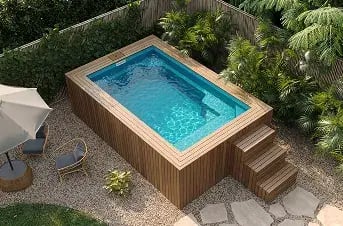
Can fibreglass pools be installed above ground?
Yes - if engineered for above-ground or partially above-ground installation.
Not all shells are suitable. Always confirm structural design specifications first.
Can you drain a fibreglass pool?
Only when necessary and with guidance from the shell manufacturer.
Draining changes pressure balance. In areas with groundwater, movement can occur if done incorrectly.
Do fibreglass pools need to be bonded?
Yes and this applies to all pool types, not just fibreglass. Electrical bonding is required under Australian safety regulations and must be certified by a licensed electrician.
How do you clean a fibreglass pool waterline?
Use a soft cloth and non-abrasive cleaner.
Avoid scouring pads. Clean lightly and regularly before scale hardens.
Simple habits prevent heavy buildup.
Do fibreglass pools crack?
They can.
Surface cracks are usually cosmetic.
Structural cracks are uncommon when installation and engineering standards are followed correctly.

So What Does This Actually Mean?
It means you don't need a "perfect" pool.
You need the right fundamentals.
Fibreglass pools are not maintenance-free. No pool is.
But when shell quality, installation method and water chemistry are handled properly, fibreglass pools are one of the most reliable, low-maintenance options available in Australia.
That's not marketing hype. That's engineering reality.
And if I were building again tomorrow, I'd obsess over three things: the shell construction standard, the installation sequencing, and the equipment match. Get those right, and most long-term headaches never show up.
At Complete Fibreglass Pool Kits, we focus on getting those fundamentals right from day one by helping homeowners choose structurally sound shells, match them with Australian-made equipment, and follow a clear installation process.
No guesswork. No shortcuts.
If you're planning a fibreglass pool and want straight answers before committing, request a transparent quote and have a proper conversation about your site and installation approach.
Build it once. Build it right. Grab a Quote Today!


