.svg)





 Affordable Financing
 Below Ground Range Colours
 Fibreglass Pool Install Stages
Thinking about adding a pool but wondering if it actually pays off?
In the right market, a well-designed fibreglass pool can increase property value in Australia, often by improving buyer appeal and, in some cases, adding around 5–10% in value. But it’s not automatic. The outcome depends on how the pool is designed, how it fits your block, and how easy it looks to maintain.
Many homeowners wonder: will a pool boost value or turn buyers away?
The truth sits somewhere in the middle. Pools can absolutely add appeal, especially in warmer climates and family-focused suburbs. But factors like size, positioning, maintenance, and how well the pool integrates with outdoor living all play a role.
This is where fibreglass pools tend to stand out.
They strike a balance buyers are looking for. Attractive, low-maintenance, and cost-effective to run. When done right, they don’t just look good on listing photos. They feel like a natural extension of the home.
In this guide, we’ll break down how fibreglass pools impact property value, what buyers actually care about, and how to design a pool that strengthens your return rather than working against it.
Do Pools Increase Property Value in Australia?
Yes, pools can increase property value in Australia, but only in the right market and when designed well. Homes in warmer climates and family-focused suburbs tend to see the strongest buyer demand, especially when the pool feels like a natural extension of the home.
The value impact depends more on location, likely buyer, and how the pool fits the property than on the pool itself.
A pool is a lifestyle upgrade and a value booster. Buyers often pay more for move-in-ready homes, especially if the pool is well-designed and low-maintenance.
What the Data Suggests
Some Australian property commentators suggest that, in pool-friendly markets, a well-designed pool can contribute to an uplift of around 5–10%, though results vary widely by suburb, buyer demand and presentation.
Understanding where pools deliver the most benefit is key. Pools perform best in established family areas, warmer regions, and homes where they complement outdoor living. In cooler climates or compact inner-city blocks, value impact may be smaller or neutral.
Why Fibreglass Pools Perform Better for Property Value
When buyers assess a home with a pool, they are not only looking at how it looks today. They are thinking about future costs, upkeep, and how easy that pool will be to live with. This is where fibreglass pools tend to stand out.
How Pool Types Compare for Property Value
| Feature | Fibreglass Pool | Concrete Pool | Above-Ground Pool |
|
Maintenance |
Low |
High |
Low–Medium |
|
Lifespan |
30+ years |
25–30 years |
Varies |
|
Upfront Cost |
Lower–Mid |
High |
Lower |
|
Ongoing Costs |
Low |
High |
Low–Medium |
|
Installation Time |
Fast |
Slow |
Fast |
|
Buyer Appeal |
High |
Medium–High |
Lower |
|
Risk of Overcapitalisation |
Low |
Medium–High |
Medium |
Lower Ongoing Costs Appeal to Buyers
One of the biggest concerns buyers have is maintenance. Fibreglass pools ease that concern straight away
-
The smooth gelcoat surface resists algae, which reduces chemical use and cleaning time.
-
There are no resurfacing cycles to budget for, unlike concrete pools that may need major work over time.
For buyers, lower upkeep usually means lower risk.
Faster Installation, Fewer Unknowns
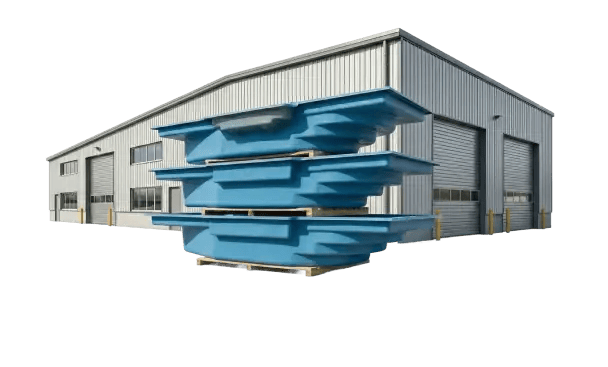
Fibreglass pools are factory-built under controlled conditions, resulting in consistent quality.
-
The shell arrives ready to install, reducing variables.
-
Shorter install times mean less disruption to property and landscaping.
That consistency matters at inspection time. Buyers tend to trust systems that feel proven and straightforward.
Longevity and Buyer Confidence
With proper care, fibreglass pools typically last 30 to 35 years or more, supported by long warranties.
Expert tip: Buyers value predictability. Fibreglass pools present fewer unknown future expenses at inspection time.
Recommended reading: Concrete Pools v Fibreglass Pools - Which Is Cheaper To Maintain?
How Much Does a Pool Add to Property Value?
A well-designed pool can add around 5-10% to property value in the right Australian market, but this varies widely. The actual return depends on location, buyer demand, price bracket, and how well the pool is presented.
Homeowners often want a simple number, but the reality is that value is driven by multiple factors working together.

ROI Depends on These Factors
Location and climate matter the most. In warmer regions where outdoor living is common, pools are seen as a positive rather than an unnecessary luxury. Price bracket matters too. Pools add more value in mid-range family homes than in entry-level homes, where buyers are more budget-focused.
The quality of the finish also plays a role. A well-kept pool with thoughtful landscaping feels intentional and usable. Poor presentation or dated finishes have the opposite effect.
Avoiding Overcapitalisation
The goal is to enhance, not overpower, the property. Match pool size to the block for balance and function. Oversized pools reduce yard space, which can deter families.
Finishes should suit the suburb. Ultra-premium features in a modest area may not deliver a return that matches their cost.
Do Pools Ever Lower Property Value?
Yes, pools can lower property value if they are poorly designed, high-maintenance, or take up too much usable space. When a pool feels like a burden rather than a benefit, buyers may hesitate or factor in future costs.
Pools can work against you in certain situations, which is why understanding the risks matters just as much as understanding the benefits.
When Pools Work Against You
Poor positioning is one of the most common issues. A pool that dominates a small block or removes usable lawn space can make a backyard feel cramped. This is especially important for families who value open play areas.
High-maintenance pools also deter buyers. Pools that require frequent resurfacing, heavy chemical use, or specialist upkeep raise red flags during inspections. Buyers may discount the property for future costs.
Above-Ground Pool Concerns
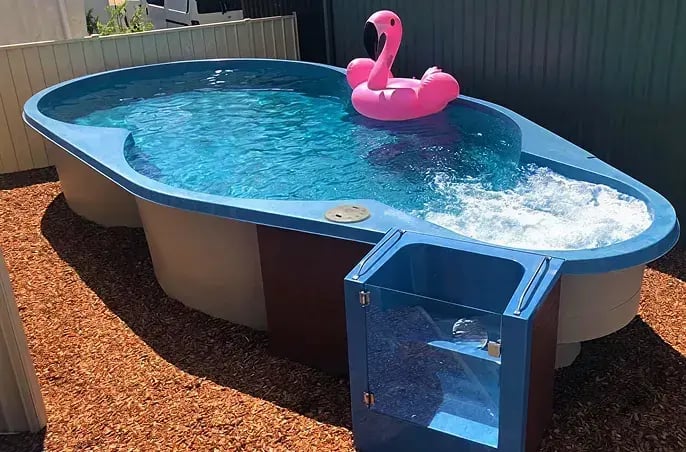
A common question is whether above-ground pools lower property value. The answer depends on how permanent and well-integrated the pool is. Temporary or poorly finished above-ground pools can feel like an afterthought, which affects buyer perception.
Why Fibreglass Reduces This Risk
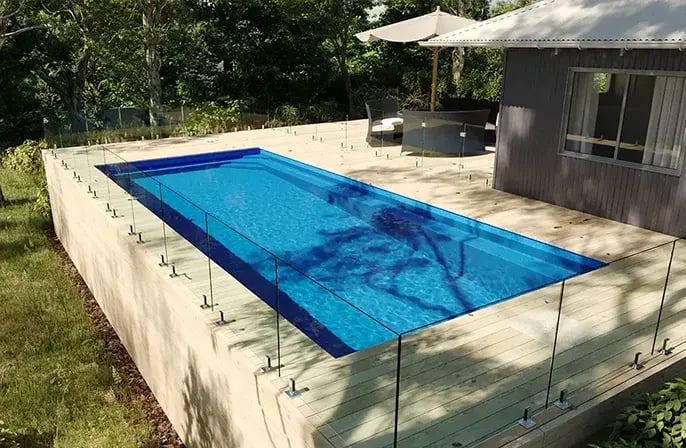
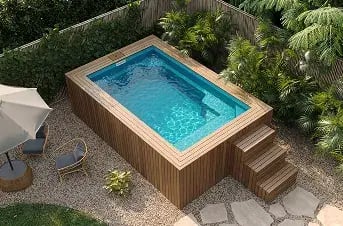
Fibreglass pools typically present a cleaner, more finished look. Above-ground fibreglass options are designed as permanent structures, with proper fencing and clean lines that feel intentional. This improves buyer confidence and reduces concerns about future work or removal.
Further reading: Above-Ground Fibreglass Pools: Pros, Cons, and Installation Tips
Design Choices That Protect and Improve ROI
Even the best pool can fall short on return if design decisions miss the mark. When resale value matters, it pays to think like a future buyer while planning your pool.
Size and Placement
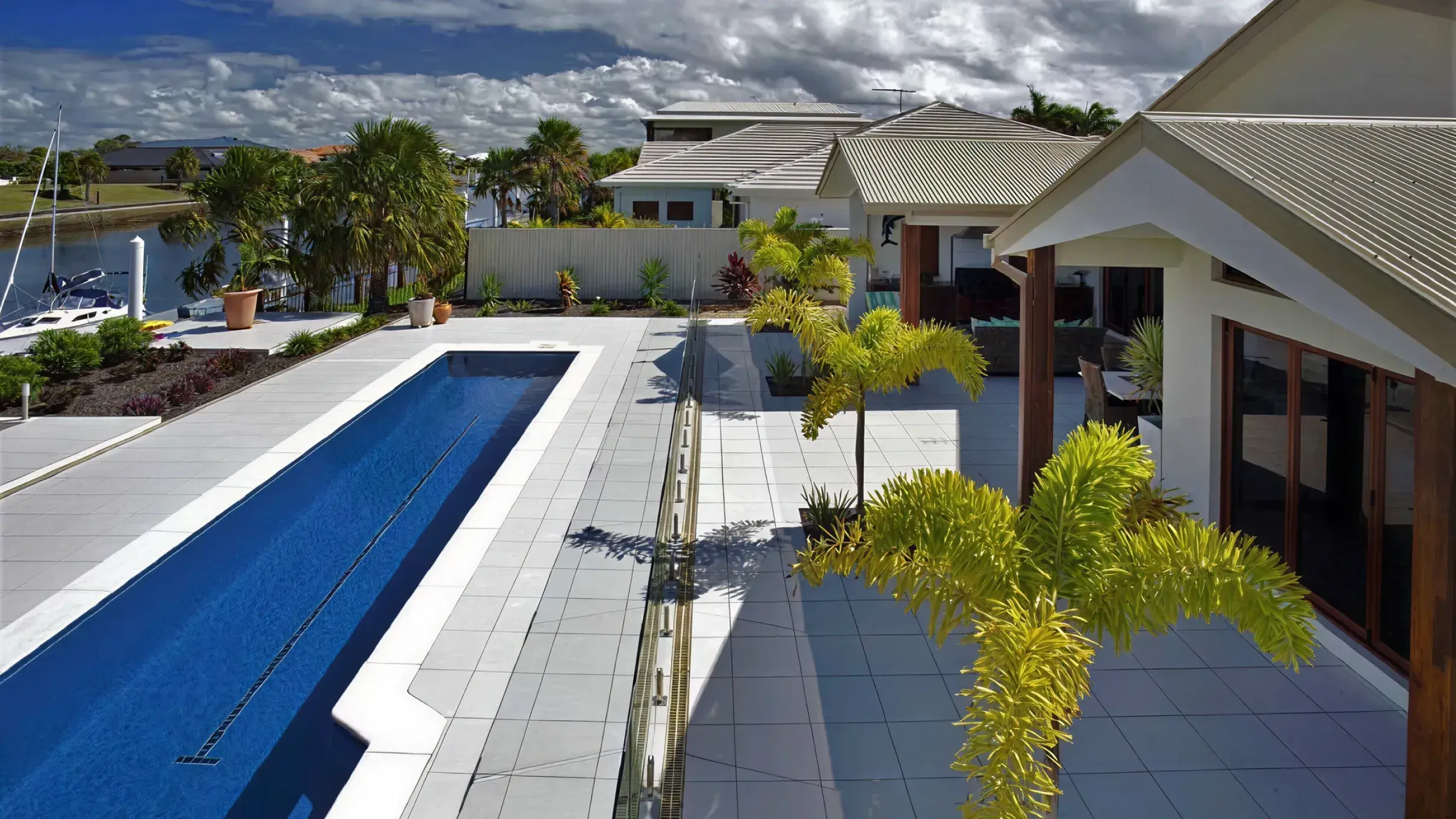
Pool size should suit the block, not dominate it. Leaving usable yard space keeps the property flexible for families, pets, and entertaining. Placement matters just as much. Pools that sit close to outdoor living areas feel connected to the home, which increases everyday usability and buyer appeal.
Landscaping and Presentation
Presentation shapes first impressions. Simple, low-maintenance landscaping around the pool keeps the space looking tidy year-round. Clear sightlines from kitchens or living rooms help the pool feel like part of the home rather than a separate feature. Buyers often respond positively to layouts that feel open, safe, and easy to supervise.
Finishes That Age Well
Trends can change quickly, which is why buyers usually prefer timeless choices. Neutral pool colours, classic coping materials, and clean edges age better than bold or highly personalised designs. These finishes suit a wider range of tastes, which protects pool property value over time.
Quick checklist for resale-friendly design
-
Choose a pool size that preserves yard space
-
Align the pool with entertaining zones
-
Keep landscaping simple and tidy
-
Select neutral colours and durable materials
Further reading: Outdoor Entertaining + Fibreglass Pool: Designing a Unified Backyard Space
Cost, Installation and Buyer Psychology
How Much Is a Fibreglass Pool?
When homeowners ask this, they are usually thinking about the full investment, not only the shell price. They want to understand the overall cost of the pool and whether it makes sense given their property's value.
As a general guide, fibreglass pool kits from Complete Fibreglass Pool Kits typically range from around $17,000 to $30,000+, depending on the size, shape and style of the pool. Smaller plunge pools sit at the lower end of the range, while larger family pools and above-ground designs cost more.
Beyond the pool kit itself, additional costs usually include excavation, installation, fencing, electrical work and landscaping.
From a resale perspective, buyers tend to respond best to pools that feel complete and compliant. A well-installed fibreglass pool with finished surrounds, fencing and clear ongoing costs is far more likely to support property value than a pool that appears unfinished or unconventional.
DIY vs Professional Installation
DIY installation can improve return on investment when it is done correctly. A well-executed DIY fibreglass pool shows buyers that costs were managed without cutting corners. That said, certification and compliance still matter. Electrical work, plumbing sign-off and fencing compliance all contribute to buyer confidence and smoother sales processes.
Further reading: DIY Fibreglass Pools: Professional Tips for a Flawless Installation
Common Questions Homeowners Ask Before Adding a Pool
Do buyers prefer houses with pools?
Yes, in many Australian markets, buyers do prefer homes with pools, especially in warmer, family-focused areas.
In warmer climates and family-focused suburbs, pools are often seen as a lifestyle upgrade and can make a property more appealing to buyers. Well-designed, low-maintenance pools tend to attract more interest and can help a home stand out.
Do pools lower property value?
Pools rarely lower property value when they are well-positioned, compliant and easy to maintain. Poor placement, safety issues or neglected finishes are the usual causes of negative perception.
Is a fibreglass pool cheaper than concrete?
Yes, in most cases. Fibreglass pools generally cost less to install and maintain. They require fewer chemicals, less cleaning time and no resurfacing cycles, which appeals to budget-conscious buyers.
Can you tile a fibreglass pool?
Yes. However, covering up low-maintenance gloss gelcoat that is already a feature with a higher maintenance item like tiles isn’t common.
How do you clean a fibreglass pool waterline?
Use a soft sponge or cloth with a pool-safe, non-abrasive cleaner. Regular light cleaning can prevent build-up and protect the gelcoat finish.
How long does a fibreglass pool last?
A quality fibreglass pool typically lasts 30 to 35 years or more when installed correctly and maintained properly. Many come with long-term structural warranties, which reassure future buyers.
Quick takeaway: Buyers value pools that feel simple to own. Clear maintenance routines, durable finishes and predictable costs all support stronger resale appeal.
A Pool That Adds Value
Adding a pool can support property value when it aligns with how buyers actually live and what they expect to maintain. In Australia, well-designed pools tend to perform best in family-friendly markets and warmer climates, especially when they feel like a natural extension of the home rather than a bolt-on feature.
Fibreglass pools stand out in this space. Their lower maintenance needs, long lifespan and predictable ownership costs reduce hesitation for future buyers. When combined with smart sizing, thoughtful placement and finishes that age well, they help protect return on investment and avoid overcapitalisation.
The biggest takeaway is simple. Value comes from decisions made early. Choosing the right pool type, installing it properly and designing with resale in mind all work together to strengthen both lifestyle enjoyment and long-term appeal.
If you are weighing up your options, Complete Fibreglass Pool Kits can help you make informed choices from the start. Explore our range of fibreglass pools and get guidance on selecting a pool that enhances your home today and supports its value tomorrow.


