.svg)





 Affordable Financing
 Below Ground Range Colours
 Fibreglass Pool Install Stages
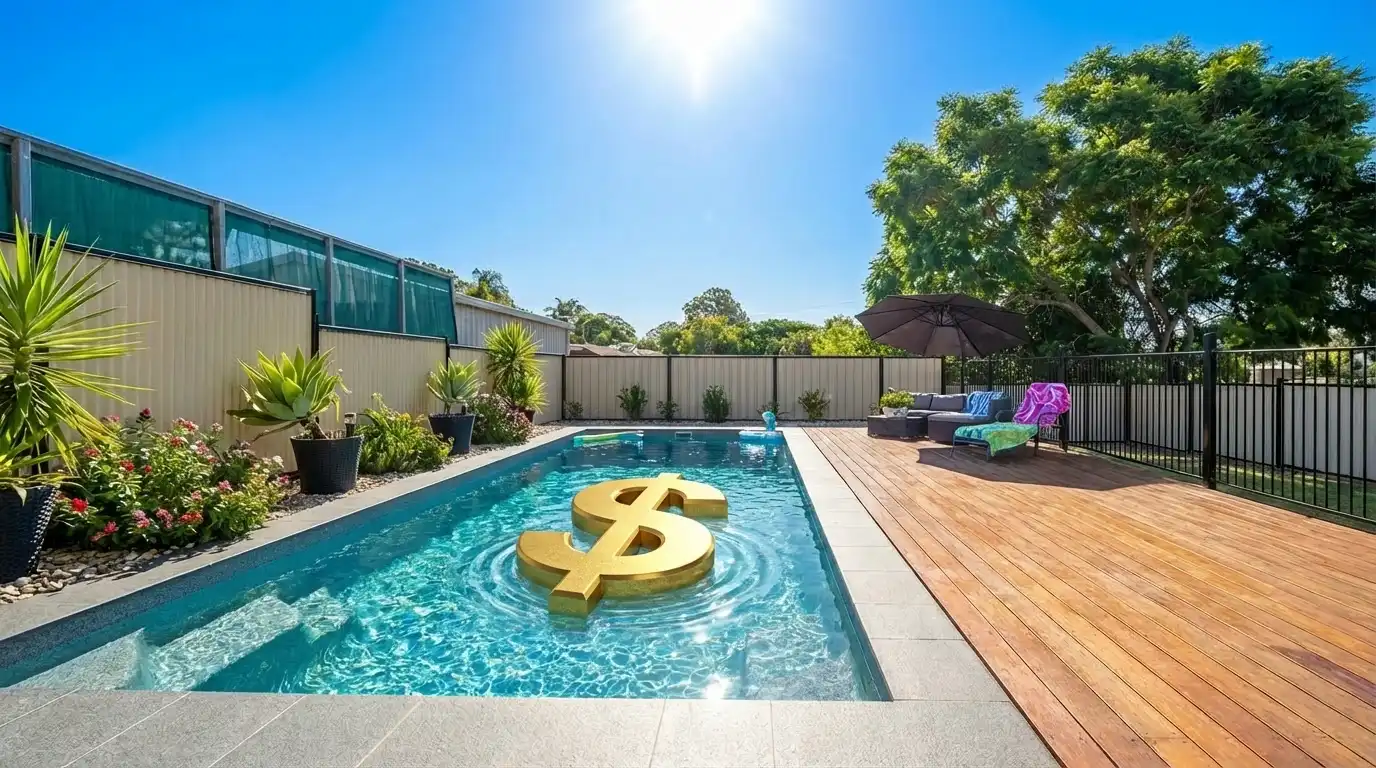
Owning a swimming pool is a dream for many Australian families. Long summer afternoons in the water, kids burning off energy outside, and a backyard that becomes the centre of the home.
But there’s one belief that often stops people taking the next step.
“Pools cost a fortune to run.”
Many homeowners worry their electricity bill will skyrocket, maintenance will become a weekly chore, and unexpected costs will quietly pile up over time.
The reality is usually far less dramatic. The real fibreglass swimming pool cost each year is often far lower than many homeowners expect.
At Complete Fibreglass Pool Kits, we’re pool owners ourselves. We’ve run the pumps, balanced the water and dealt with the same day-to-day running costs every pool owner experiences.
In this guide, we’ll break down the real annual cost of owning a pool in Australia, including electricity, chemicals, water use and maintenance so you can budget with confidence.
Typical Pool Running Costs in Australia (Quick Budget Guide)
The typical cost to run a fibreglass swimming pool in Australia is between $650 and $2,450 per year for homeowners who manage basic maintenance themselves, or $2,000 to $5,000+ per year if professional servicing and heating are included.
Typical Pool Running Costs Per Year
|
Cost Category |
Typical Annual Cost |
|
Electricity (pool pump) |
$200 - $1,200 |
|
Pool chemicals |
$200 – $600 |
|
Water top-ups |
$50 – $150 |
|
Equipment allowance |
$200 – $500 |
|
Optional professional servicing |
$900 – $1,800 |
|
Typical total |
$650 – $2,450 Without Professional Servicing |
Electricity is usually the largest ongoing expense, and the type of pump you install makes a big difference.
Pool size, climate, heating usage and how often the pool is used can also shift the numbers.
But for most fibreglass pool owners, ongoing costs are much lower than the common belief that pools are expensive to maintain.
In the next section, we’ll look at the single biggest contributor to pool running costs: electricity.
5 Common Mistakes That Make Pools Expensive to Run
What Makes Pools Expensive to Run?
Pools usually become expensive to run when systems are poorly designed or maintained. Common causes include installing the wrong size pump, running filtration longer than necessary, allowing debris to build up in the pool, incorrect chemical dosing and oversized heating systems.
Most stories about pools being expensive to maintain usually come down to a few common setup or maintenance mistakes.
When the pool system is designed properly and basic maintenance is done consistently, running costs are usually much lower than many homeowners expect.
Here are five of the most common issues that can increase pool running costs.
1. Installing the Wrong Size Pump
One of the most common problems is installing a pump that isn’t correctly matched to the pool.
If the pump is too large, it will consume more electricity than necessary.
If the pump is too small, it may struggle to circulate and filter the water properly. This can lead to poor water clarity, algae growth and increased chemical usage as the system tries to keep up.
Choosing a pump that is correctly sized for the pool ensures the filtration system runs efficiently without wasting power.
2. Running the Pump Longer Than Necessary
How long a pump needs to run depends heavily on the climate and season.
In warmer climates, pumps generally need to run longer to maintain good water circulation.
For example:
- In Far North Queensland, pumps often run around 8 hours per day year-round due to the consistently warm climate.
- In cooler climates such as Melbourne, pumps may run around 8 hours per day during summer, but this can often be reduced to 4–6 hours per day during winter.
Running pumps longer than necessary increases electricity costs and wears out equipment quickly without improving water quality.
3. Allowing Debris to Build Up in the Pool
If leaves, dirt and organic debris regularly enter the pool and are not removed, they can become a food source for bacteria, algae and phosphates.
This can lead to:
- increased chemical use
- cloudy water
- algae growth
- more frequent shock treatments
Regular cleaning prevents these issues before they start.
Many homeowners now use cordless robotic pool cleaners, which make weekly cleaning quick and simple while keeping the pool consistently clear.

4. Poor Water Testing or Incorrect Chemical Dosing
Another common issue is infrequent water testing or incorrect chemical use.
Pool chemicals are designed to work effectively when used according to the directions on the product label. If those instructions aren’t followed, the chemicals may not perform as intended.
This can result in:
- unstable water chemistry
- higher chemical consumption
- algae problems
Regular testing and correct dosing keep water balanced and help minimise long-term chemical costs.
5. Oversizing Pool Heating Systems
Pool heating systems should be matched to the size of the pool, the frequency of use, and the environment in which they are installed.
Installing a heater that is much larger than necessary increases both upfront equipment costs and ongoing energy usage.
It’s similar to installing an air conditioner that is far too large for a room. It doesn’t make the system cheaper to run and usually results in unnecessary energy consumption.
Choosing the right equipment from the beginning can prevent many of these issues.
Our team helps homeowners select the correct pump size, filtration system and equipment package so their pool runs efficiently from day one.
Electricity Costs: Your Pool Pump Is the Biggest Factor
What Is the Biggest Running Cost of a Pool?
Electricity is usually the highest ongoing cost of owning a pool in Australia. For many pools, electricity accounts for the majority of annual running costs because the pump and filtration system operate every day.
The amount you pay largely depends on the type of pump installed and how efficiently it runs.
Single-Speed Pumps
Single-speed pumps run at full power the entire time they operate.
In Australia today, you can expect to spend around $900 to $1,200 per year running a single-speed pool pump.
The exact cost depends on a few factors:
- how many hours the pump runs each day
- your electricity tariff
- the size of the pump and pool
For households on higher electricity tariffs, costs can higher.
Variable-Speed Pumps
Modern variable-speed pumps are far more energy efficient and can cut your power bill by up to 80%.
Instead of running flat out all day, they operate at lower speeds, which still keeps the water clean while dramatically reducing electricity consumption.
Pool owners running a variable-speed pump typically spend around $200 to $400 per year on electricity for filtration.
Over the life of a pool, that difference adds up to thousands of dollars in savings after taking into account the higher cost upfront to buy the variable speed model.
Why Pump Choice Matters
We often hear from our customers who have upgraded from an older single-speed pump. They are surprised at how much their electricity bill drops once a variable-speed system is installed.
For new pools, starting with efficient equipment from the beginning will significantly reduce your long-term pool running costs.

Chemical Costs: Lower for Fibreglass Pools
Keeping pool water clean and safe requires a small amount of regular chemical treatment. This is one of the more predictable and manageable running costs.
On average, households typically spend between $200 and $600 per year on pool chemicals.
This usually includes:
- salt or minerals for chlorination
- pH balancing chemicals
- occasional shock treatments
- stabiliser and alkalinity adjustments
The exact amount depends on a few factors:
- pool size
- how often the pool is used
- local climate and rainfall
- how well the water chemistry is maintained
Pools that are tested and balanced regularly tend to use fewer chemicals over time, because problems like algae growth are prevented from taking hold.
Why Fibreglass Pools Often Use Fewer Chemicals
A big advantage of fibreglass pools is their smooth gelcoat surface.
Unlike rough concrete surfaces, fibreglass doesn’t provide small pores where algae can easily attach and grow. This helps water stay balanced and reduces the amount of chemical correction needed.
In practical terms, many fibreglass pool owners find they:
- use fewer shock treatments
- deal with fewer algae outbreaks
- spend less time correcting water balance
Over the life of the pool, this contributes to lower ongoing maintenance costs and simpler pool care.

Water Costs: Filling and Topping Up Your Pool
Water is another cost future pool owners often wonder about when planning a pool, but in reality, it’s usually one of the smaller ongoing expenses.
Most backyard swimming pools in Australia hold between 30,000 and 60,000 litres of water, depending on the size and shape.
Initial Pool Fill
Based on current residential rates published by major utilities of around $3 - $4 per kilolitre (1,000 litres), the cost to initially fill a pool is generally reasonable.
Here’s a rough guide:
|
Pool Size |
Approximate Fill Cost |
|
30,000 litres |
$90 – $120 |
|
40,000 litres (typical 8 × 4m pool) |
$120 – $160 |
|
60,000 litres |
$180 – $240 |
This is usually a one-off cost during installation, and it’s often lower than many homeowners expect.
Ongoing Water Top-Ups
Once your pool is filled, small amounts of water will naturally be lost over time.
Common causes include:
- evaporation during hot summer weather or when it is windy (yep, wind will evaporate more water from your pool than you think)
- filter backwashing
- splash-out from swimmers
- seasonal water level adjustments
In most backyards, only small water top-ups are needed throughout the year, typically costing around $50 to $150 annually, depending on climate and usage.
How a Pool Cover Reduces Water Costs
A simple pool cover can reduce evaporation by up to 95%, which also helps lower heating costs if you choose to heat your pool. Expect to part with between $800 and $1,600 for a quality pool blanket and roller. The blanket will degrade over time and need replacing in 10 years or so if you look after it.
Insurance and Compliance Costs
Adding a pool to your property may slightly increase your home insurance premium, but the change is relatively small.
Insurers typically adjust premiums to account for the additional liability risk associated with pools and the potential cost of repairing the pool if damaged.
In many cases, homeowners see an increase of tens to a few hundred dollars per year, depending on:
- your insurance provider
- the level of liability cover on your policy
- the cost to replace the pool if it is damaged beyond repair
Pool Safety Compliance
All Australian states require pools to meet strict safety regulations, particularly around pool fencing and gate access.
Typical requirements include:
- compliant pool fencing
- self-closing and self-latching gates
- minimum fence heights
- restricted climbable objects near the barrier
These regulations are designed to reduce the risk of child drownings and are a standard part of pool ownership in Australia. As long as your pool barrier and safety measures comply with Australian pool safety standards, insurers generally view the risk as manageable.
Generally, the premium increase is minor compared with the overall value the pool adds to the property and lifestyle.“Pools can increase home insurance premiums slightly, typically by a modest amount to cover additional liability and safety requirements”.
Equipment Lifespan: What to Expect Over the Years
Well-maintained, quality-built pool equipment lasts many years. But like any mechanical system, some components will eventually need replacing. Understanding these timelines helps homeowners budget ahead and avoid surprises.
The good news is that pool equipment replacement is infrequent, and costs are usually spread out over years.
Here’s what most Australian pool owners can expect.
Typical Pool Equipment Lifespan
|
Equipment |
Typical Lifespan |
Typical Replacement Cost |
|
Pool pump (single speed) Pool pump (variable speed) |
3 - 6 years 5 - 10 years |
$600 – $1,300 $2,000 - $2,800 |
|
Salt chlorinator cell |
3 - 6 years |
$400 – $800 |
|
Pool heater (gas or electric) |
10 - 15 years |
$3,000 – $6,000 |
|
Filter cartridges |
1–2 years |
$100 – $300 |
|
LED pool lights |
Up to 30,000 hours |
$280+ per light |
Rather than treating these as sudden expenses, many pool owners prefer to set aside a small yearly allowance to cover future equipment replacements.
That’s why many pool cost guides include an equipment allowance of around $200 - $500 per year when estimating total running costs.
How Much Time Does Pool Maintenance Actually Take?
In the majority of cases, pool owners spend 10 - 60 minutes per week maintaining their pool depending on the season and use. This typically includes checking water chemistry, emptying skimmer baskets and cleaning. Modern equipment and robotic cleaners significantly reduce the amount of manual work required.
Typical Weekly Pool Maintenance Tasks
Most weeks, pool care involves a few simple checks:
- Testing water chemistry to ensure pH and chlorine levels are balanced
- Emptying the skimmer basket to remove leaves and debris
- Brushing or vacuuming the pool if needed
- Checking the pump and filter system
Many of these tasks take only a few minutes and quickly become part of a simple routine.
Automation Does Most of the Work
Modern pool systems handle much of the maintenance automatically.
Salt chlorinators continuously produce chlorine, while pumps and filtration systems circulate the water to keep it clean.
Many pools also use:
- robotic pool cleaners
- automated chlorinators
- sensors to automatically maintain stable pH and chlorine levels
These systems significantly reduce the amount of manual work required
Professional Services vs DIY: Pick the Path That Suits You
When it comes to maintaining a pool, homeowners generally choose between doing it themselves or using a professional pool service.
Both options work well, and the right choice usually comes down to lifestyle, budget, and personal preference.
Professional Pool Servicing
Professional pool technicians can handle regular cleaning, chemical balancing and equipment checks.
Typical servicing costs in Australia are:
|
Service Type |
Typical Cost |
|
Monthly pool service |
$75 – $150 per visit |
|
Annual equipment check |
$200 – $400 |
|
Emergency call-out |
$150+ |
If you rely on professional servicing throughout the year, total maintenance costs may reach $900 to $1,800 annually.
For some homeowners, this convenience is well worth it, especially if they prefer a hands-off approach to pool care.
DIY Pool Maintenance
Many pool owners choose to manage their pool themselves.
With modern equipment, this is usually straightforward and only requires basic weekly checks and occasional cleaning.
DIY maintenance typically involves:
- testing and adjusting water chemistry
- emptying baskets and checking filters
- occasional vacuuming or brushing
This easily takes less than an hour each week and helps keep ongoing pool costs low.
Why Many Fibreglass Pool Owners Choose DIY
Fibreglass pools are particularly well suited to DIY maintenance.
Their smooth surfaces and stable water chemistry make them easier to keep balanced, which means fewer adjustments and fewer chemical corrections.
With proper setup and guidance, pool owners quickly become confident managing their pool, saving hundreds or even thousands of dollars each year.
Why Fibreglass Pools Are Cheaper to Run Long Term
When comparing different pool types, fibreglass pools are widely considered one of the most cost-effective options to own over the long term.
No Resurfacing Costs
Concrete pools typically require resurfacing every 10–15 years, which can cost $5,000 to $15,000 or more depending on the finish and pool size.
Fibreglass pools do not require resurfacing. The gelcoat surface is designed to remain smooth and durable for decades, eliminating one of the biggest long-term expenses associated with concrete pools.
Lower Chemical Usage
The smooth gelcoat surface of a fibreglass pool makes it much harder for algae to attach and grow.
As a result, many fibreglass pool owners find they:
- use fewer chemicals
- experience fewer algae problems
- spend less time correcting water balance
Over time, this contributes to lower chemical costs and simpler maintenance.
Better Natural Insulation
Fibreglass shells tend to provide better insulation than concrete pools, which helps retain heat in the water.
If you choose to heat your pool, this can reduce the amount of energy required to maintain comfortable swimming temperatures.
What Does Pool Ownership Cost Over 10 Years?
Looking at annual running costs is helpful, but many homeowners also want to understand the long-term cost of owning a pool.
When spread out over time, the ongoing costs of a fibreglass pool are usually much more manageable than many people expect.
For most Australian households maintaining their own pool, typical annual running costs sit between $650 and $2,450 per year.
Over a 10-year period, that can look roughly like this.
Example 10-Year Pool Ownership Costs
|
Cost Category |
Estimated 10-Year Cost |
|
Electricity (pump) |
$2,000 – $12,000 |
|
Pool chemicals |
$2,000 – $6,000 |
|
Water top-ups |
$500 – $1,500 |
|
Equipment replacement |
$2,000 – $5,000 |
|
Estimated 10-year total |
$6,500 – $24,450 |
These figures assume:
- a typical residential pool
- modern equipment such as a variable-speed pump
- mostly DIY maintenance
Homes that rely heavily on professional servicing or frequent heating may sit toward the higher end of the range.
Why Long-Term Costs Are Easier to Manage Than People Expect
One reason pools often seem expensive is because people imagine all the costs happening at once.
In reality, most expenses are spread across many years.
For example:
- pumps typically last 4 –10 years
- chlorinator cells last 3 - 6 years
- pool lights often last many years before replacement
When these costs are spread out, pool ownership becomes much easier to budget for.
For many families, the ongoing cost of owning a pool ends up being similar to other common household lifestyle expenses, such as maintaining a garden or running outdoor entertainment areas.
What Should You Budget for Pool Ownership Each Year?
So what does this all mean in practical terms?
For most Australian households with a modern fibreglass pool, annual running costs are usually quite manageable.
A realistic yearly budget typically sits between $650 and $2,450 per year for homeowners who handle basic maintenance themselves.
This usually includes:
- electricity for the pool pump
- pool chemicals
- water top-ups
- small equipment allowances for long-term replacement
Homes that choose professional servicing, frequent heating, or premium equipment upgrades may spend closer to $2,000 - $5,000+ per year.
What A Typical Pool Budget Might Look Like
|
Electricity (pool pump) |
$200 - $1,200 |
|
Pool chemicals |
$200 – $600 |
|
Water top-ups |
$50 – $150 |
|
Equipment allowance |
$200 – $500 |
|
Optional professional servicing |
$900 – $1,800 |
|
Typical total |
$650 – $2,450 Without Professional Servicing |
Of course, every household is different.
Your actual costs will depend on factors such as:
- climate and location
- pool size
- electricity tariffs
- whether you heat the pool
- how often the pool is used
For many families, the ongoing cost of owning a pool ends up being far lower than the common perception that pools are expensive to run.
And when those costs are weighed against the lifestyle benefits of having a pool at home, many homeowners feel the investment is well worth it.
The Real Cost of Owning a Pool in Australia
For many homeowners, the biggest surprise about pool ownership is not the installation cost, but how manageable the ongoing costs actually are.
Modern fibreglass pools are designed to be efficient and low maintenance. With the right equipment, balanced water chemistry and a simple weekly routine, most owners find their pool is far easier to look after than they expected.
Understanding the real running costs, the occasional maintenance items and how to avoid common mistakes helps remove much of the uncertainty around pool ownership.
When you know what to expect, planning a pool becomes much simpler. You can make informed decisions about equipment, maintenance and budgeting so your pool remains enjoyable rather than stressful to manage.
For many Australian families, that peace of mind is what turns the idea of a pool into a confident decision.
Planning Your Pool the Smart Way
If you’re considering installing a pool, the best approach is to plan the project carefully from the beginning.
Key decisions that influence long-term cost include:
- choosing the right pool size for your backyard
- installing an energy-efficient pump
- selecting the correct filtration equipment
- planning your installation and landscaping properly
Making these choices early can help keep both installation costs and ongoing running costs under control.
Explore Your Fibreglass Pool Options
If you're still exploring your options, the next step is to understand how fibreglass pool kits work and what they typically cost to install.
Helpful next resources:
- Explore Fibreglass Pool Kits - choose from over 25 below and above-ground models
- Check out our Ultimate DIY Project Guide - Learn how to plan, budget, and build your pool the smart way.
- Get a Custom DIY Pool Kit Quote - See how much you can save with a quality fibreglass pool and expert support.
With the right planning and guidance, installing a pool can be a straightforward backyard project that delivers years of enjoyment.
FAQs
What are the hidden costs of owning a pool in Australia?
Hidden costs include electricity, chemicals, water usage, equipment replacement and insurance. DIY-friendly fibreglass pools typically cost $650–$2,450 per year, with higher costs for homes using heating or professional services.
What is the biggest running cost of a swimming pool?
Electricity is usually the largest ongoing expense when owning a pool. The filtration pump runs daily to circulate and clean the water. Older single-speed pumps often cost $900–$1,200 per year, while modern variable-speed pumps can reduce electricity costs to around $200–$400 per year.
How long should a pool pump run each day in Australia?
Most pools require 6–8 hours of filtration per day during warmer months to maintain good water circulation. In cooler climates, this can often be reduced to 4–6 hours per day during winter. In warmer regions such as Far North Queensland, pumps may run around 8 hours per day year-round.
Do pools increase home insurance premiums?
Pools can increase home insurance premiums slightly because insurers factor in additional liability risk. However, the increase is usually modest, often ranging from tens to a few hundred dollars per year. As long as your pool fencing and safety barriers meet Australian standards, insurance adjustments are typically straightforward.


